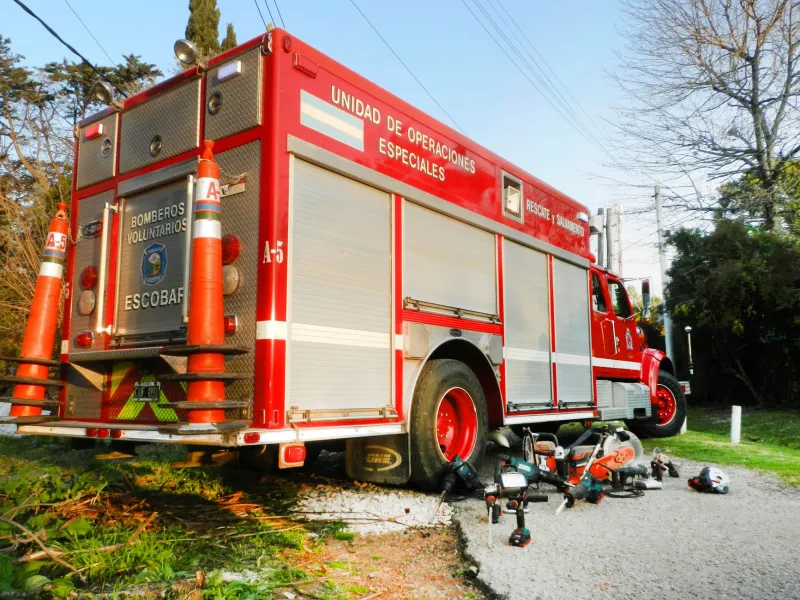
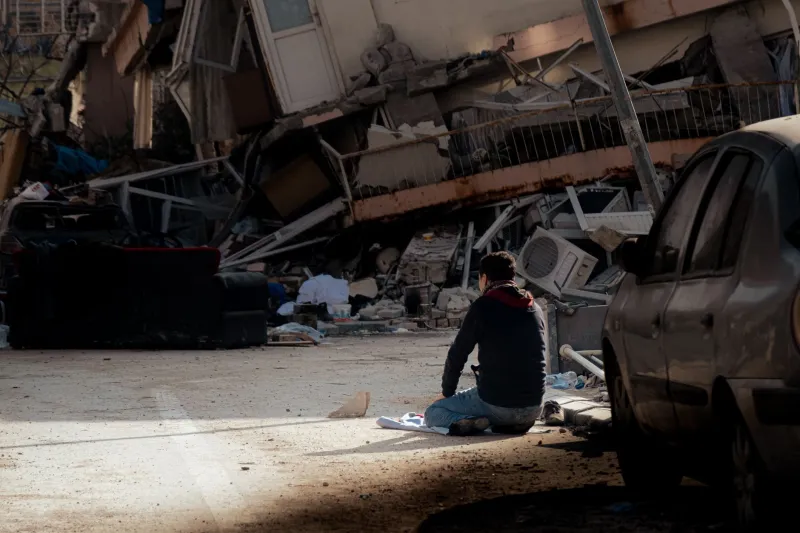
Flushed Away: The Overlooked Infrastructure Crisis Threatening Public Health When Emergencies Strike
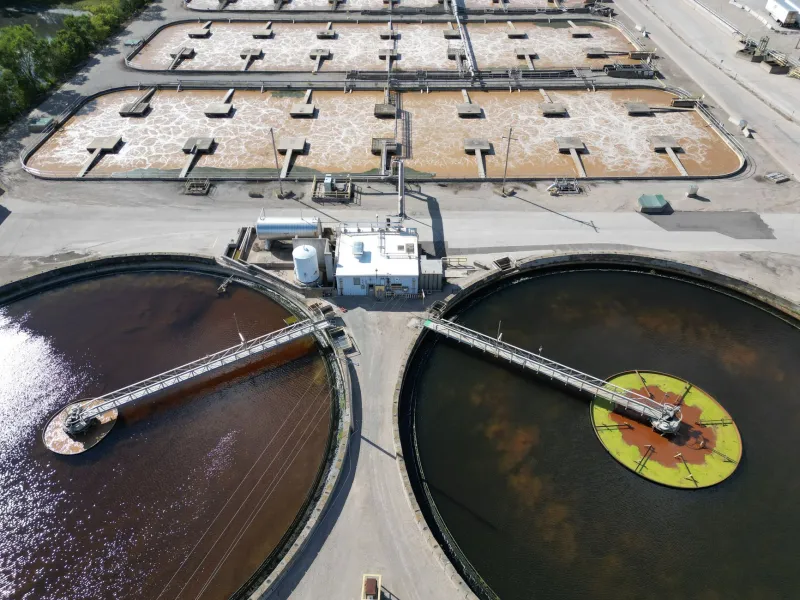
Every day, Americans flush, drain, and dispose without a second thought. Beneath their feet, a vast and largely invisible network of pipes, pumps, and treatment facilities processes billions of gallons of wastewater, silently protecting public health on a scale that rivals any other municipal service. Yet when emergency planners inventory the nation's preparedness vulnerabilities, wastewater infrastructure rarely makes the top of the list. That oversight may prove catastrophic.
While water supply systems—the pipes delivering clean drinking water—have drawn increasing federal scrutiny and investment, the systems that carry waste away from homes, hospitals, and businesses have largely escaped serious preparedness planning. The result is a quiet but widening vulnerability: aging facilities operating without meaningful surge capacity, minimal backup power provisions, depleted chemical stockpiles, and workforces unprepared for extended crisis operations.
The Infrastructure Nobody Talks About
The United States operates more than 16,000 publicly owned wastewater treatment plants, serving roughly 240 million people. Many of these facilities were constructed during the mid-twentieth century infrastructure boom, and a significant share have now exceeded their intended operational lifespan. The American Society of Civil Engineers has consistently assigned the nation's wastewater infrastructure a grade of D-plus in its Infrastructure Report Card—a mark reflecting both physical deterioration and systemic underinvestment.
What that grade obscures is the specific preparedness dimension of the problem. Wastewater facilities are not merely aging—they are aging without the redundancies necessary to sustain operations during emergencies. A prolonged power outage, a chemical supply disruption, or a major flood event does not simply inconvenience a treatment plant. It can effectively shut it down, forcing raw or partially treated sewage into waterways, streets, and, in worst-case scenarios, into the same groundwater supplies communities depend on for drinking water.
This is not a theoretical concern. During Hurricane Katrina, sewage infrastructure failures across the Gulf Coast contributed to dangerous contamination that complicated relief efforts and extended the public health emergency for months. Similar, if smaller-scale, failures occurred in the wake of Superstorm Sandy, the 2021 winter storms that paralyzed Texas, and numerous flooding events throughout the Midwest and Southeast. Each incident offered a warning. Most went unheeded.
When the Plant Goes Dark
The operational vulnerabilities of wastewater systems during emergencies fall into several distinct categories, each compounding the others.
Power dependency stands as perhaps the most acute. Modern treatment plants are energy-intensive operations, relying on constant electrical supply to run pumps, aeration systems, ultraviolet disinfection units, and monitoring equipment. Unlike hospitals or emergency communication centers, relatively few wastewater facilities have invested in robust backup generation capable of sustaining full operations for more than a matter of hours. A multi-day grid outage—increasingly plausible given the demonstrated fragility of regional power infrastructure—can render a treatment plant functionally inoperable.
Chemical stockpile limitations present a second critical gap. Wastewater treatment depends on a continuous supply of disinfectants, coagulants, and other treatment chemicals. Under normal conditions, regional supply chains replenish these materials reliably. During a widespread emergency, however, those supply chains are among the first systems to fracture. Facilities that maintain only minimal on-hand chemical inventories—a common cost-cutting practice—can exhaust their supplies within days, leaving them unable to meet basic treatment standards even if power remains available.
Surge capacity deficits compound both problems. Heavy rainfall events, flooding, and combined sewer overflow situations can dramatically increase the volume of material flowing into treatment systems, overwhelming facilities designed for average daily loads. Without the physical infrastructure or operational protocols to manage surge conditions, plants may be forced into bypass operations—releasing inadequately treated effluent—precisely when environmental conditions are already at their most fragile.
The Cascading Public Health Consequence
When wastewater systems fail, the effects do not remain contained within the treatment facility. Untreated or inadequately treated sewage carries a broad spectrum of pathogens—bacterial, viral, and parasitic—capable of causing serious illness in exposed populations. Communities that have already sustained damage from a disaster event, with compromised immune systems, disrupted medical access, and limited clean water supplies, are particularly susceptible.
Floodwaters contaminated with sewage create exposure risks that persist long after the water recedes. Contaminated soil and surfaces require extensive remediation before spaces are safe for habitation or use. In communities with older housing stock or infrastructure, sewage intrusion into basements and lower floors can render properties uninhabitable for extended periods, effectively transforming a natural disaster into a prolonged displacement crisis.
Public health officials are candid about the severity of this risk. The Centers for Disease Control and Prevention has documented the link between sewage system failures and post-disaster outbreaks of gastrointestinal illness, hepatitis A, and other waterborne diseases. Yet the preparedness investment necessary to meaningfully reduce this risk remains stubbornly absent from most municipal emergency planning budgets.
Communities That Are Getting It Right
The picture is not uniformly bleak. A number of communities across the country have begun treating wastewater preparedness with the seriousness it deserves, and their approaches offer a practical blueprint for broader adoption.
In the Pacific Northwest, several municipal utilities have invested in mobile generator programs specifically designed to sustain lift station operations during extended outages—a relatively modest capital expenditure that significantly reduces the risk of sewage backup and overflow during regional emergencies. These programs have been developed in close coordination with state emergency management agencies, ensuring that equipment can be rapidly deployed and operated by trained personnel.
In the Gulf South, where the memory of Katrina-era infrastructure failures remains vivid, a coalition of regional utilities has developed mutual aid agreements modeled on frameworks long used by electric utilities. Under these arrangements, participating systems can rapidly share equipment, chemicals, and trained operators across jurisdictional lines during declared emergencies—dramatically expanding effective surge capacity without requiring each individual facility to maintain redundant resources.
Several Midwestern communities have pursued a more comprehensive approach, conducting full emergency operations reviews of their wastewater systems and developing detailed continuity plans that address power, chemical supply, staffing, and communication protocols under a range of disaster scenarios. These plans, developed with input from local emergency management offices and public health departments, are reviewed and exercised regularly—a practice that remains the exception rather than the rule nationally.
A Call for Commensurate Investment
The federal government has made meaningful, if insufficient, investments in drinking water security in recent years. The parallel case for wastewater preparedness investment is equally compelling and deserves commensurate policy attention. The EPA's Water Security Initiative and related programs have laid useful groundwork, but funding levels and program reach remain inadequate relative to the scale of the vulnerability.
State emergency management agencies have a role to play as well. Incorporating wastewater system operators into regional preparedness exercises, establishing chemical pre-positioning programs, and developing clear mutual aid frameworks are all achievable near-term goals that would materially reduce risk without requiring transformative capital investment.
At the local level, the imperative is straightforward: wastewater system resilience must be treated as a core component of community emergency planning, not an afterthought. Facilities that have never conducted a formal emergency operations assessment should do so. Utilities operating without backup power provisions should prioritize them. Emergency managers who have never convened a planning session that includes the local wastewater authority should correct that oversight immediately.
America's communities are, in many respects, only as resilient as their least-prepared critical system. For too long, the infrastructure beneath the streets has been allowed to remain both aging and unready. The next major disaster will not wait for that to change on its own.