America Prepared Strengthening Communities. Securing the Nation.

America Prepared

Strengthening Communities. Securing the Nation.

Latest Articles

Buried and Forgotten: The Slow Collapse of America's Underground Water Networks
Community Resilience

Buried and Forgotten: The Slow Collapse of America's Underground Water Networks

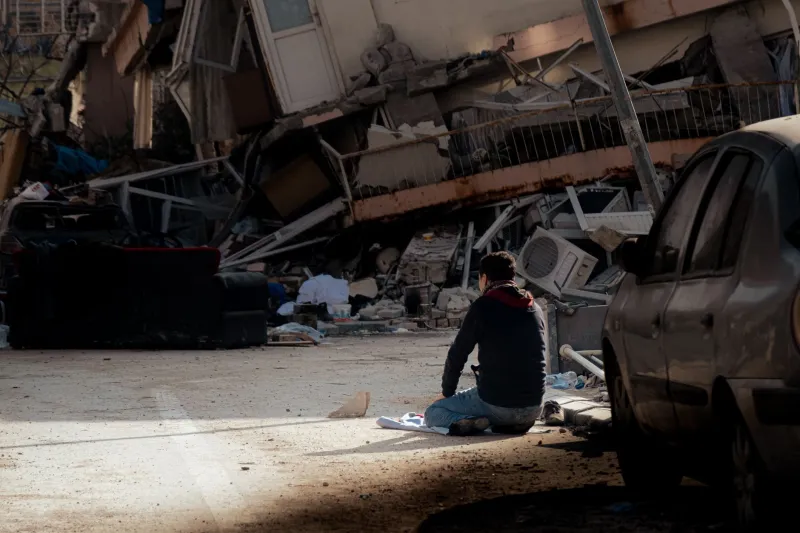
Beneath the streets of virtually every American city lies a network of aging pipes quietly failing under the weight of decades of deferred maintenance and insufficient investment. When emergencies strike, these deteriorating systems don't merely inconvenience residents—they become catastrophic vulnerabilities that can render entire communities without reliable water for days or weeks. Understanding how this crisis developed, and why current funding structures perpetuate it, is essential to any s


When Commerce Stops, Democracy Stutters: The Supply Chain Vulnerabilities Nobody in Government Is Talking About
Community Resilience

When Commerce Stops, Democracy Stutters: The Supply Chain Vulnerabilities Nobody in Government Is Talking About

A prolonged collapse of normal commercial activity would not merely empty store shelves—it would quietly disable the logistical machinery that keeps democratic governance functioning. From ballot paper to federal payroll systems, the infrastructure of American democracy depends on supply chains that have received almost no serious scrutiny in emergency preparedness planning. This investigation examines what happens when government itself becomes the disaster's next casualty.

What We No Longer Know: Recovering America's Lost Civil Defense Inheritance
Community Resilience

What We No Longer Know: Recovering America's Lost Civil Defense Inheritance

Decades of institutional neglect have quietly erased the specialized expertise that once anchored America's civil defense apparatus. As the professionals who built and maintained that system retire or pass on, the knowledge they carried disappears with them—unless deliberate action is taken to preserve it. Recovering that inheritance is not nostalgia; it is a national preparedness imperative.

Flushed Away: The Overlooked Infrastructure Crisis Threatening Public Health When Emergencies Strike
Community Resilience

Flushed Away: The Overlooked Infrastructure Crisis Threatening Public Health When Emergencies Strike

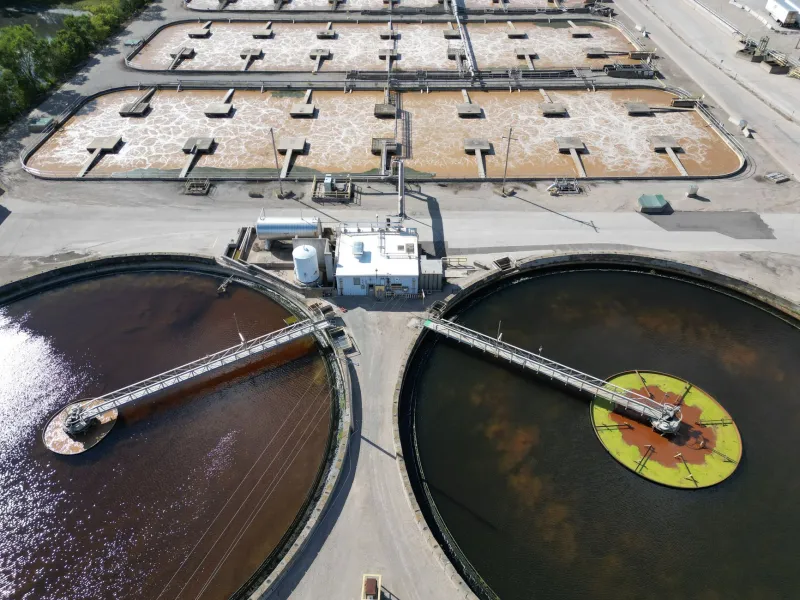
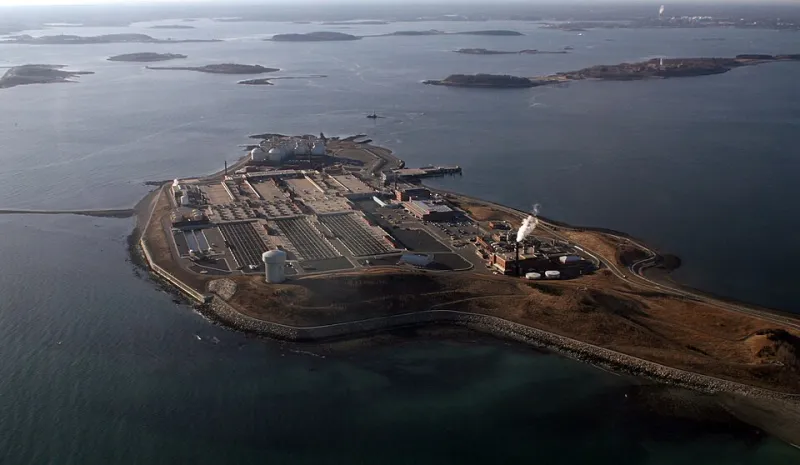
America's wastewater treatment systems quietly underpin public health in every community, yet they remain among the least prepared components of the nation's critical infrastructure. When disasters strike and sewage systems fail, the consequences cascade rapidly into disease outbreaks, environmental contamination, and prolonged community displacement. This investigation examines the widening preparedness gap and the communities working to close it before catastrophe forces the issue.

Answering No One: The Quiet Collapse of America's Volunteer Emergency Services
Community Resilience

Answering No One: The Quiet Collapse of America's Volunteer Emergency Services

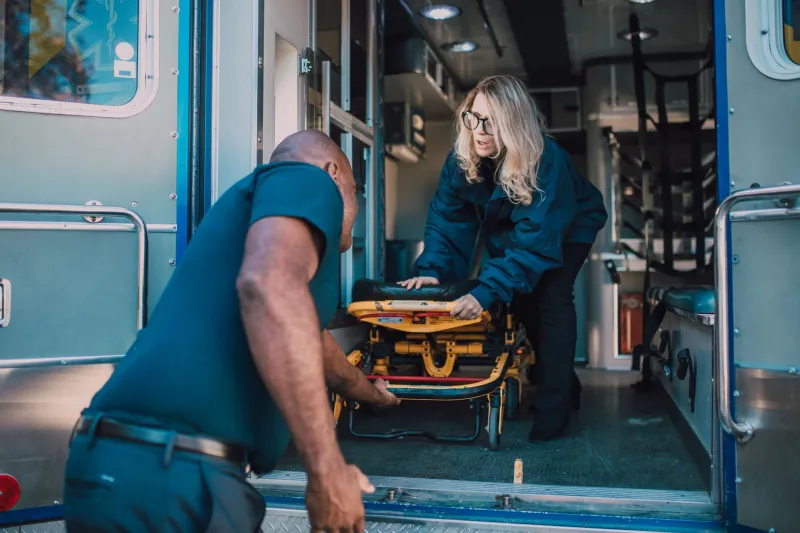
Across rural and suburban America, volunteer fire departments and emergency medical services are hemorrhaging members faster than they can recruit replacements. The convergence of economic strain, demographic shifts, and eroding civic culture has pushed entire regions toward a breaking point—one where the next call for help may go unanswered.

Hollow at the Core: How America's County Health Departments Became the Weakest Link in National Emergency Response
Community Resilience

Hollow at the Core: How America's County Health Departments Became the Weakest Link in National Emergency Response

While federal health agencies command billion-dollar budgets and national headlines, the county health departments and state epidemiologists who actually coordinate emergency response on the ground have been quietly gutted by decades of defunding and neglect. The result is a national preparedness architecture that looks formidable from Washington but crumbles at the moment communities need it most. Rebuilding genuine public health readiness means investing in the unglamorous, essential infrastru

The Long Wound: How America's Disaster Recovery Plans Abandon Communities to a Mental Health Crisis That Arrives After the Cameras Leave
Community Resilience

The Long Wound: How America's Disaster Recovery Plans Abandon Communities to a Mental Health Crisis That Arrives After the Cameras Leave

When floodwaters recede and search teams withdraw, the psychological devastation of a major disaster is only beginning. America's emergency preparedness frameworks are built almost exclusively around the acute phase of crisis response, leaving communities structurally unprepared for the years of trauma, depression, and social disintegration that follow. Integrating mental health infrastructure into disaster planning is no longer a secondary consideration — it is a foundational one.

Silent When It Counts: Closing the Dangerous Gap in America's Family Emergency Communication Plans
Community Resilience

Silent When It Counts: Closing the Dangerous Gap in America's Family Emergency Communication Plans

When disaster strikes, the first casualty is often the ability to reach the people who matter most. America's families remain dangerously unprepared for the communication failures that accompany nearly every major emergency, relying almost exclusively on infrastructure that collapses precisely when demand is highest. This investigation examines why cellular networks fail under crisis conditions and what practical alternatives exist for families willing to plan ahead.

Forgotten in the Emergency Plan: The Systemic Neglect Leaving Long-Term Care Residents Behind
Community Resilience

Forgotten in the Emergency Plan: The Systemic Neglect Leaving Long-Term Care Residents Behind

America's nursing homes and long-term care facilities house some of the nation's most medically fragile citizens, yet they remain among the least integrated institutions in local emergency preparedness frameworks. Chronic staffing shortages, regulatory gaps, and financial constraints have created a quiet crisis that disasters repeatedly expose with devastating consequences. This investigation examines why the system continues to fail and what meaningful reform would require.

Harbors of Vulnerability: Why America's Ports Are the Weakest Link in National Emergency Response
Community Resilience

Harbors of Vulnerability: Why America's Ports Are the Weakest Link in National Emergency Response

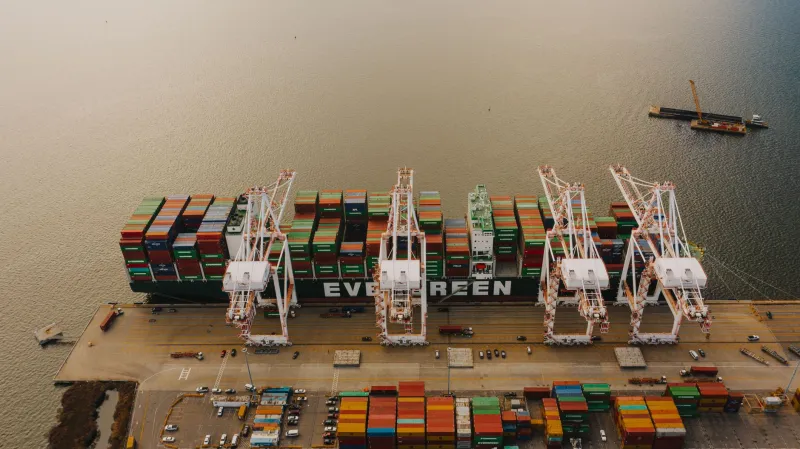
America's seaports move the vast majority of the nation's imported goods, yet they remain among the most overlooked components of national emergency preparedness planning. Aging infrastructure, chronic congestion, and deep foreign dependencies have quietly transformed these vital gateways into potential chokepoints that could paralyze disaster relief operations during a major crisis. Understanding the scope of this vulnerability is the first step toward demanding meaningful reform.

When the Lights Stay Off: The Alarming Unpreparedness of Local Government for Extended Utility Collapse
Community Resilience

When the Lights Stay Off: The Alarming Unpreparedness of Local Government for Extended Utility Collapse

When utilities fail for hours, local governments manage. When they fail for days or weeks, most municipalities have no credible plan. An examination of continuity gaps at the city and county level reveals a systemic vulnerability that few officials are willing to discuss openly.

The Neighbor Doctrine: How Reciprocal Aid Networks Are Becoming America's Most Reliable Emergency Infrastructure
Community Resilience

The Neighbor Doctrine: How Reciprocal Aid Networks Are Becoming America's Most Reliable Emergency Infrastructure

When professional emergency services are overwhelmed or simply cannot reach a neighborhood in time, formalized mutual aid networks often represent the difference between survival and catastrophe. Across the country, communities that have invested in reciprocal support structures—from tool-sharing libraries to organized skill registries—are demonstrating measurable advantages in disaster recovery. This article examines those models and offers a practical framework for replicating them before the

Community Resilience

Blind Spots in the Network: Rebuilding America's Broken Disease Surveillance Architecture

When COVID-19 arrived, America's disease surveillance system revealed itself to be a patchwork of incompatible databases, jurisdictional rivalries, and chronic underfunding. Understanding precisely where the architecture failed—and why—is the first step toward constructing a framework capable of detecting the next outbreak before it becomes a catastrophe.

When the Medicine Runs Out: The Dangerous Fragility Hidden Inside America's Hospital Supply Chains
Community Resilience

When the Medicine Runs Out: The Dangerous Fragility Hidden Inside America's Hospital Supply Chains

America's hospitals operate on razor-thin inventory margins, relying on just-in-time logistics systems that were never designed to withstand major national disruptions. When those systems fail — as they have repeatedly in recent emergencies — the consequences reach far beyond empty shelves. This investigation examines the structural vulnerabilities embedded in hospital supply chains and the urgent steps communities can take before the next crisis arrives.

First Responders, Last Priority: The Quiet Unraveling of America's Fire Service Preparedness Network
Community Resilience

First Responders, Last Priority: The Quiet Unraveling of America's Fire Service Preparedness Network

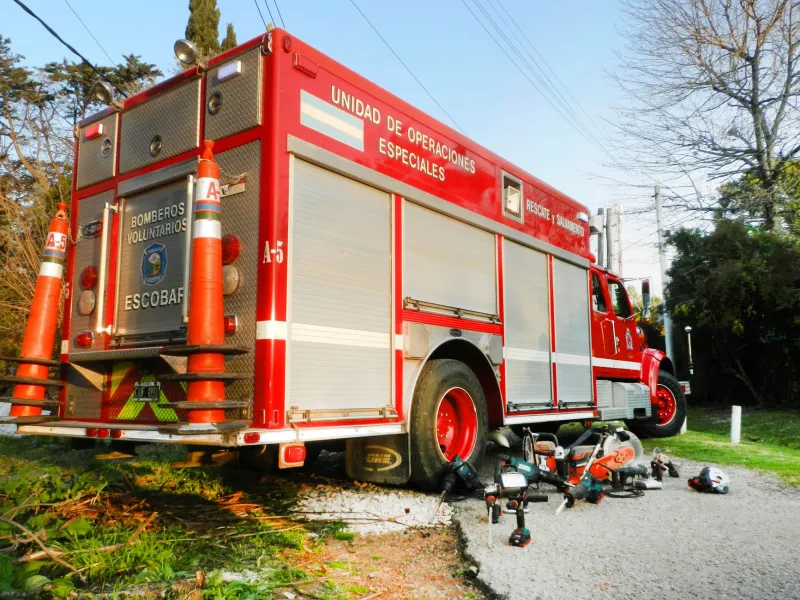
America's fire departments do far more than extinguish flames — they form the connective tissue of local disaster response, managing hazardous materials, conducting search and rescue, and coordinating mass casualty events. Yet chronic underfunding and a deepening volunteer recruitment crisis are quietly eroding this essential layer of national readiness. Without urgent investment, communities across the country risk arriving at the next major disaster without the trained personnel and equipment

Standing Armies in the Shadows: The Case for Reviving America's State Defense Forces
Community Resilience

Standing Armies in the Shadows: The Case for Reviving America's State Defense Forces

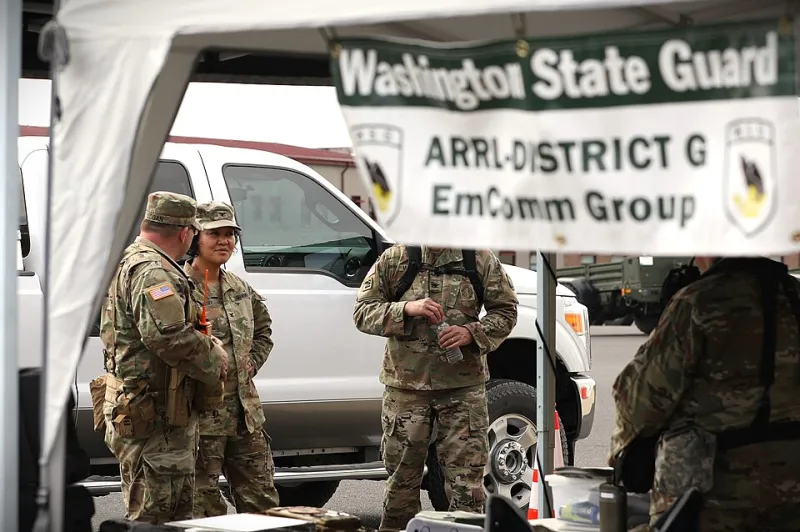
Across the United States, a little-known tier of military organization operates entirely outside federal control—ready to respond when the National Guard deploys overseas and leaves communities vulnerable. State Defense Forces represent a largely dormant strategic asset, and their chronic neglect may be costing America dearly in moments of crisis.

Dust Off the Blueprints: What Cold War Civil Defense Got Right That Modern Preparedness Has Forgotten
Community Resilience

Dust Off the Blueprints: What Cold War Civil Defense Got Right That Modern Preparedness Has Forgotten

Decades before FEMA existed, American communities trained neighbors to survive catastrophe through a remarkably organized civil defense apparatus. As today's threat landscape grows more complex, the organizational principles behind those mid-century programs deserve serious reconsideration by policymakers and community leaders alike.

Vanishing Expertise: The Silent Crisis Draining America's Emergency Management Workforce
Community Resilience

Vanishing Expertise: The Silent Crisis Draining America's Emergency Management Workforce

Decades of hard-won experience are walking out the door as veteran emergency managers retire faster than agencies can replace them. The institutional knowledge that once guided communities through catastrophe—unwritten, deeply contextual, and irreplaceable—is quietly disappearing. Understanding this workforce crisis is essential to preserving the nation's capacity to respond when the next major disaster strikes.

Poisoned at the Source: The Growing Cyber Threat to America's Drinking Water Infrastructure
Digital Preparedness

Poisoned at the Source: The Growing Cyber Threat to America's Drinking Water Infrastructure

Municipal water systems have become prime targets for sophisticated cyberattacks, exposing a critical vulnerability at the heart of American public health. From small-town treatment plants to major metropolitan facilities, hackers have already demonstrated both the capability and intent to manipulate the systems that deliver safe water to millions of Americans. Understanding this threat — and responding to it with urgency — is no longer optional.

Broke Before the Storm: How Debt-Laden Households and Municipalities Collapse When Disaster Strikes
Community Resilience

Broke Before the Storm: How Debt-Laden Households and Municipalities Collapse When Disaster Strikes

When emergencies arrive, financial fragility can prove just as devastating as physical unpreparedness. From overburdened municipal budgets to households carrying unsustainable debt loads, America's communities are discovering that fiscal vulnerability transforms manageable disasters into cascading catastrophes. Understanding the link between financial health and emergency resilience is no longer optional — it is a matter of national readiness.