Pills, Politics, and Preparedness: Confronting America's Foreign Drug Dependency
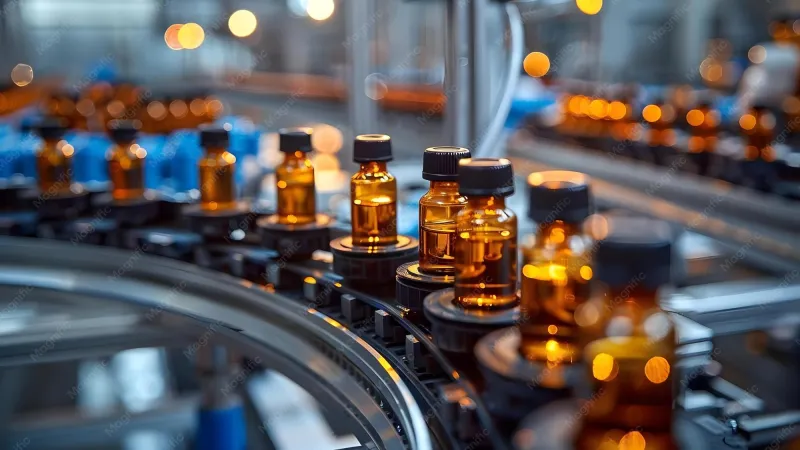
Photo: pharmaceutical supply chain medicine bottles factory production USA, via img.freepik.com
When a family member reaches for a bottle of blood pressure medication or a common antibiotic, few people pause to consider the journey that pill has taken. For most Americans, the assumption is simple: the pharmacy has it, and it works. But behind that assumption lies one of the most significant and least discussed vulnerabilities in the nation's security architecture — a pharmaceutical supply chain stretched thin across oceans, concentrated in a handful of foreign manufacturing hubs, and dangerously exposed to disruption.
This is not a hypothetical concern. It is an active, documented risk that emergency management professionals, public health officials, and national security analysts have been raising for years — with insufficient urgency from the broader public.
The Geography of America's Medicine Cabinet
The United States consumes more prescription medication per capita than almost any other nation on earth. Yet a striking share of that medication — and the active pharmaceutical ingredients (APIs) used to manufacture it — originates abroad. According to estimates from the Food and Drug Administration, roughly 80 percent of the APIs used in American generic drugs are sourced from overseas, with India and China accounting for a dominant portion of that production.
Generic drugs are not a niche category. They represent approximately nine out of every ten prescriptions filled in the United States. Medications treating diabetes, hypertension, epilepsy, and bacterial infections — conditions that affect tens of millions of Americans — depend on supply chains that wind through manufacturing facilities far beyond the reach of domestic regulatory oversight or emergency response.
When those supply chains experience disruption — whether from a natural disaster, a geopolitical conflict, a factory shutdown, or a global pandemic — the consequences arrive quietly at first: a pharmacist unable to fill a prescription, a hospital rationing a critical IV antibiotic, a patient skipping doses because their medication is suddenly backordered. These are not abstract policy failures. They are real-world emergencies unfolding at kitchen tables and hospital bedsides across the country.
Understanding the Shortage Cycle
Drug shortages in the United States have become an uncomfortable routine. The FDA maintains an active drug shortage database that, at any given time, lists dozens of medications in short supply. The causes are varied — manufacturing quality issues, raw material shortfalls, economic disincentives for producing low-margin generics — but the underlying fragility is consistent.
When a single overseas manufacturing facility experiences a contamination event or regulatory shutdown, the ripple effects can reach American patients within weeks. The 2019 discovery of carcinogenic impurities in widely used blood pressure medications — sourced primarily from Chinese and Indian manufacturers — forced mass recalls and left millions of patients scrambling for alternatives. It was a preview of what a more severe disruption could look like.
The COVID-19 pandemic accelerated these concerns dramatically. As global supply chains seized in early 2020, shortages of medications critical for intensive care — including sedatives, paralytics, and respiratory drugs — created genuine crises in American hospitals. The lesson was stark: a nation unprepared to produce its own essential medicines is a nation vulnerable in ways that no military budget can fully address.
What Individuals and Households Can Do
Civic preparedness begins at home, and pharmaceutical readiness is no exception. While systemic change requires policy action, individual households can take meaningful steps to reduce their own vulnerability.
Know what you take and where it comes from. Ask your pharmacist about the manufacturer of your medications. While this information is not always readily available at the retail level, becoming an informed consumer creates pressure for greater transparency across the supply chain.
Maintain a responsible supply. Work with your physician to maintain a reasonable supply of critical, ongoing medications — particularly those used to manage chronic conditions. Many insurance plans now permit 90-day supplies, and some allow early refills. This practice, done responsibly and within prescribed guidelines, provides a meaningful buffer during shortage events.
Prioritize preparedness conversations with your doctor. During routine appointments, ask your physician which of your medications might be difficult to substitute if a shortage occurred, and what alternatives exist. This conversation — brief and practical — is a form of personal resilience planning.
Support community health stockpiling initiatives. Some local health departments and community organizations are beginning to explore shared preparedness resources, including medication access programs for vulnerable populations. Engaging with and supporting these efforts strengthens the broader community safety net.
The Policy Imperative
Individual action, while valuable, cannot substitute for structural reform. The scale of America's pharmaceutical dependency requires a coordinated national response — one that treats domestic drug manufacturing capacity as a matter of strategic security, not merely economic policy.
Several legislative efforts in recent years have sought to incentivize domestic API production, strengthen the Strategic National Stockpile, and impose greater transparency requirements on pharmaceutical supply chains. Progress has been uneven. The economic pressures that drove manufacturing offshore in the first place — lower labor costs, looser regulatory environments, proximity to raw chemical supplies — remain powerful forces.
Advocacy matters. Americans who understand this issue can meaningfully influence its trajectory by contacting their congressional representatives, supporting organizations that promote domestic manufacturing, and demanding transparency from the pharmaceutical industry. Public pressure has historically been one of the most effective levers for accelerating policy change.
At the state level, several governors have begun exploring regional pharmaceutical stockpiling agreements and partnerships with domestic generic manufacturers to ensure baseline medication access during federal supply disruptions. These initiatives deserve broader attention and replication.
Resilience as a National Commitment
A nation's health security is inseparable from its broader preparedness posture. The same principles that guide emergency food storage, water resilience, and energy independence apply with equal force to medicine. A community that cannot reliably access the drugs its members need to survive is a community operating with a critical vulnerability — one that adversaries, natural disasters, and economic shocks can exploit.
Building pharmaceutical resilience is not about fear. It is about the kind of clear-eyed, practical preparation that has always defined communities that endure. Americans have rebuilt after hurricanes, wildfires, and economic collapses. Addressing the fragility of the nation's medicine supply is the same work — harder to see, perhaps, but no less urgent.
The pills in your medicine cabinet have a story. Knowing that story, and working to make it more secure, is an act of genuine civic responsibility.